
Spatial intelligence
Understanding physical spaces through indoor localization, navigation, and environmental awareness using signals of opportunity.
SITS Lab / Hunan University
Understanding physical spaces through indoor localization, navigation, and environmental awareness using signals of opportunity.
Exploring reliable and efficient sensing mechanisms using electromagnetic radiation, radio frequency signals, and signals of opportunity.
Studying physiological signals, vital signs, and multimodal sensing for intelligent healthcare and everyday devices.
Investigating physical-space privacy, hidden-device detection, and user authentication for connected environments.
Combining diverse environmental signals to connect information acquisition, interpretation, and intelligent decision-making.
Connecting sensing mechanisms, algorithms, and platforms, with applications to smart devices, robotics, and integrated sensing and communication.
Research by Daibo Liu and collaborators, including work preceding the lab.
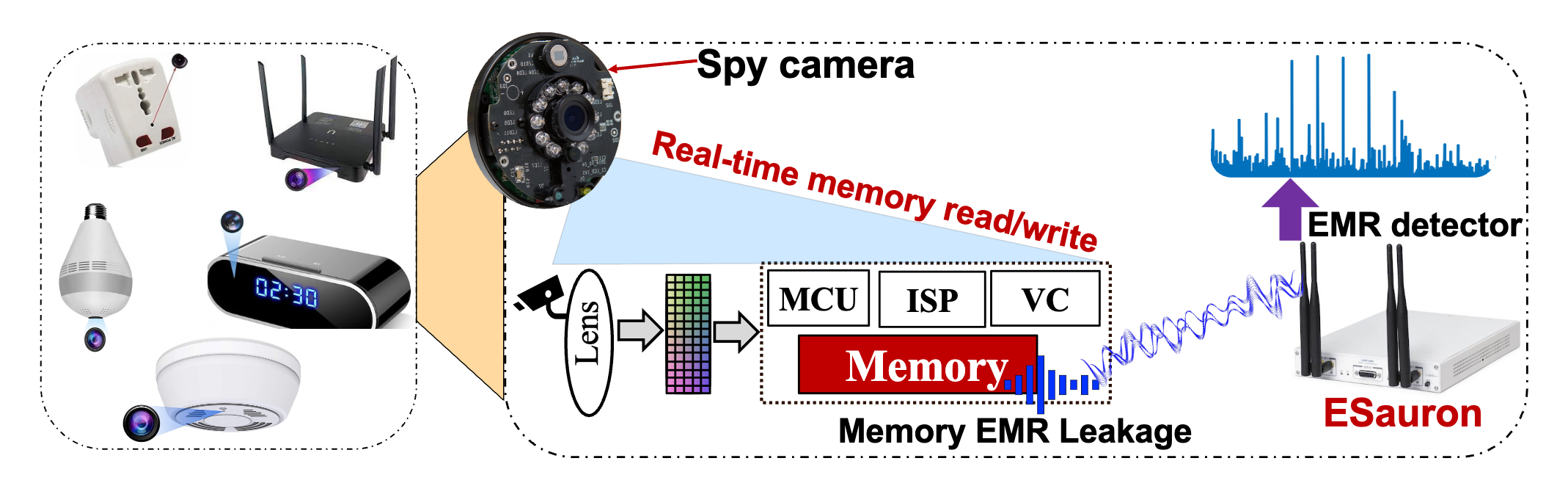
Detecting and locating hidden cameras through memory electromagnetic radiation.
Paper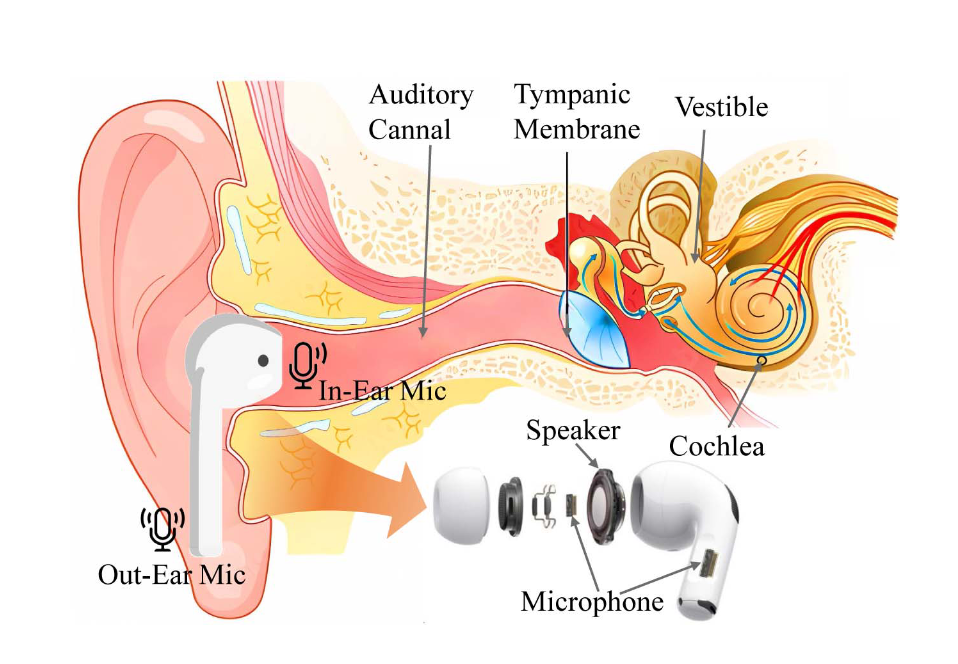
Exploring user identification with out-ear microphones in commercial earphones.
Paper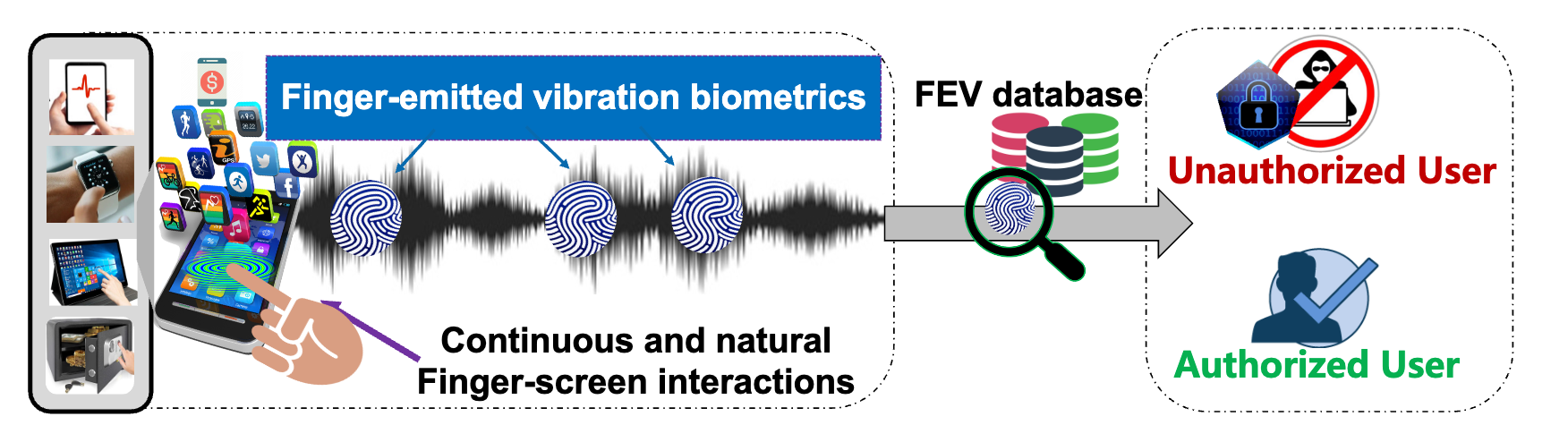
Integrating sensitive information access with identity authentication on mobile devices.
PaperThe Spatial Intelligence & Trusted Sensing Lab (SITS Lab) at Hunan University studies how intelligent systems acquire information, understand space, sense their surroundings, and make decisions in the physical world. Motivated by the development of Physical Intelligence, we pursue fundamental theory, enabling technologies, and system platforms. We aim to extend sensing beyond the boundaries of conventional vision and wireless communication by bringing together electromagnetic radiation (EMR), radio frequency (RF) signals, signals of opportunity, physiological signals, and multimodal environmental information.
Our research spans spatial intelligence, trusted sensing, intelligent health sensing, privacy and security, and intelligent sensing systems. Topics include electromagnetic and wireless sensing, indoor localization and navigation using signals of opportunity, physical-space privacy protection, hidden-device detection, vital-sign sensing, multimodal intelligent computing, and integrated sensing and communication. We connect sensing mechanisms with intelligent algorithms and system platforms.
Guided by “Sense the Physical World, Empower Intelligent Future,” we aim to build trusted sensing infrastructure for the real world and help bring artificial intelligence from digital environments into physical spaces. Our work seeks to support smart devices, robots, intelligent healthcare, smart cities, and future mobile communication, providing safe, reliable, and efficient sensing for embodied intelligence and environments shared by people and connected devices.
Code and system resources are maintained per project. Please contact the authors for information about available research artifacts and datasets.
GitHub